
Handcrafted in Japan
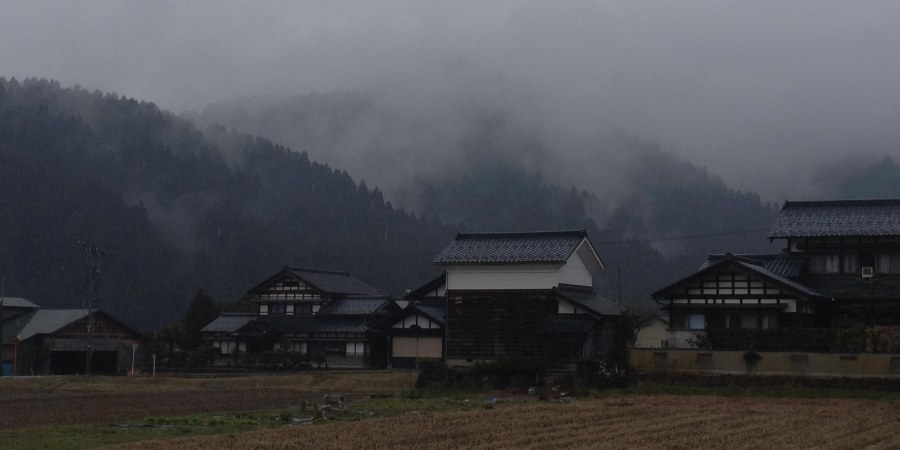
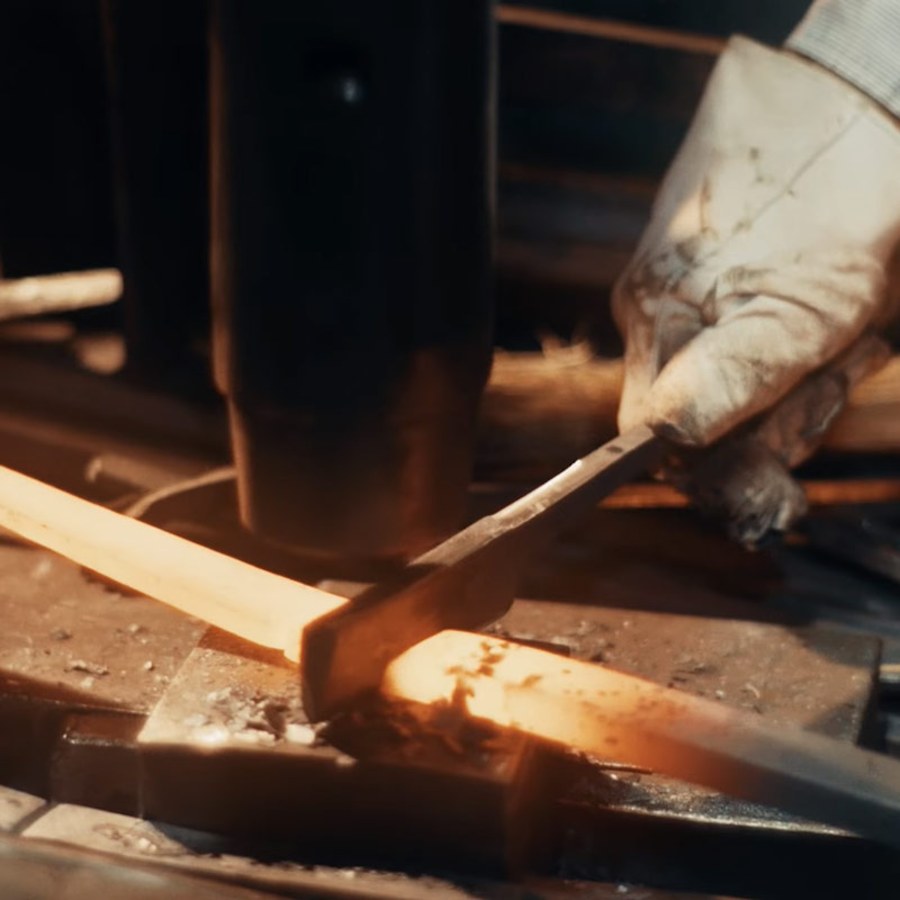
Made by Japanese Shokunin working in a family run factory located in Seki-city in the Gifu prefecture of Japan, each blade is meticulously made according to traditional Japanese knife making techniques. Seki-city is known in Japan as "the city of blades" and our partners have been operating in this space for over 60 years - combining traditional techniques with modern advancements to create some of the finest knives in the world.

##What makes these so different? Knives are made everywhere in the world, so what makes Japanese knives so special?
It is the truest representation of the Japanese Kodawari philosophy - an uncompromising and relentless devotion to a pursuit, an art, a craft, an activity. Characterised by the sharpness of the blade, the distribution of weight and the sheer strength of the metals that are carefully selected for each type - compromise knows no meaning in the manufacture of each of these Japanese blades.

• As this carbon steel blade has a high amount of carbon and a smaller amount of chromium compared to other types, cutting certain ingredients can change the colour of the blade due to a chemical reaction. If the blade colour darkens with a black gradient, a simple rinse, clean and a bit of sharpening/ polishing from time to time will suffice. However the knife will need immediate care if you spot any red gradient forming as this can damage the blade.
• Cutting different ingredients can affect how much colour changing occurs with time. If you cut a lot of lemons (or any fruits that has high acidity) or onions, you should spend the first few weeks taking extra care of the blade. Cleaning the blade with a damp towel and drying it with another clean towel will help the blade surface 'settle.' After time, the knife should develop a distinct beautiful dull-blue-grey patina which will become a layer to protect the surface. This reaction can also produce a slight smell but this will settle over time.
• In order to keep the blade sharp, make sure to use a wooden cutting board to preserve the sharpness of the blade and use a whetstone to recover the sharpness. Suitable to cut vegetables, meat and bread, and please do avoid cutting bone or frozen food.