


The Archibald Buying Guide for Cashmere
Cashmere is One of the Most Abused Words in Fashion
Brands slap it on swing tags, push “luxury” in ads, and hike prices sky-high. Most of it? Trash. A handful of mills and makers still know what they’re doing. The rest just ride the name.
This guide is here so you can tell the difference. So you don’t end up buying lint. Consequently, if you educate yourself and buy well, you’re buying something that can outlive you.
What is Cashmere?
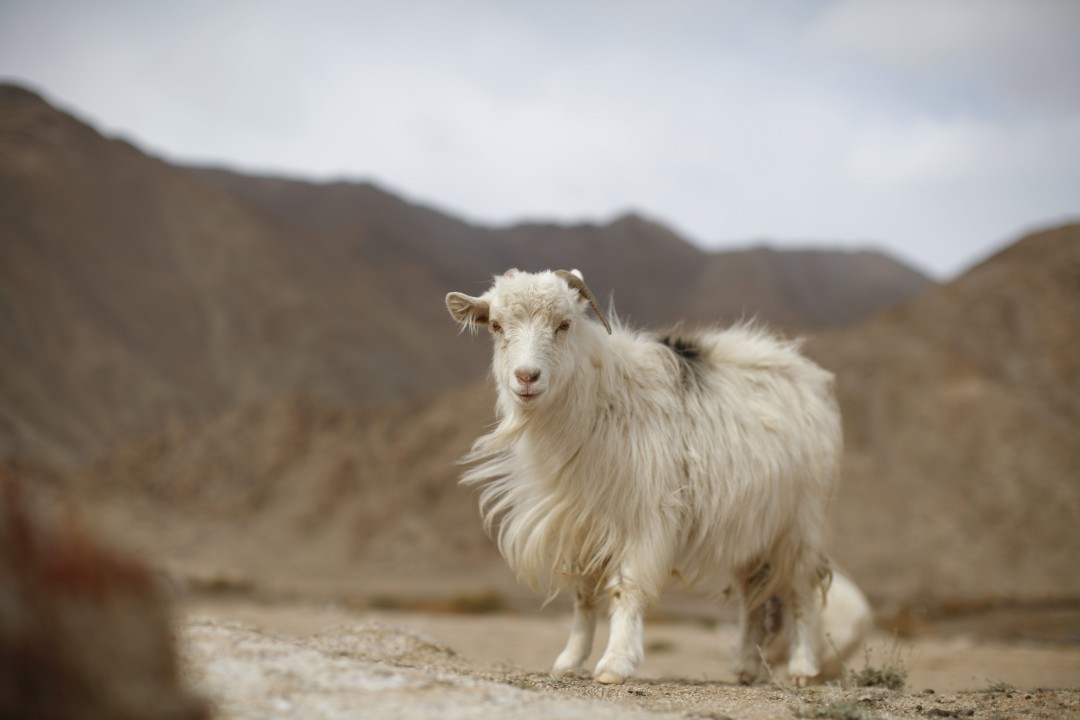
Cashmere isn’t wool with better marketing. It’s a different fiber altogether. It comes from the fine undercoat of Capra hircus goats, bred in brutal highland climates across Mongolia, Tibet, Nepal, Ladakh, and Inner Mongolia. Winters there can plunge below –40°C. As with anything truly great, it’s formed under pressure—climates so harsh they force life to adapt or die. The goats grow a downy undercoat not for luxury but for survival. We just happen to benefit from it.
That undercoat is what sets cashmere apart. Sheep’s wool averages 20–40 microns thick. Cashmere runs 14–16 microns, sometimes as low as 12. A human hair is 60–80. That fineness is why it feels soft. But softness alone isn’t the measure. The best fibers are also long (32–42 mm) and naturally crimped. Length gives strength, crimp gives resilience. It’s why good cashmere springs back after wear, instead of bagging at the elbows.
And then there’s rarity. Each goat yields just 150–250 grams of usable fiber per year. That’s barely enough for a scarf, let alone a sweater. To knit a proper two-ply crewneck, you need the yearly production of four or five goats. Multiply that by the thousands of sweaters made for “luxury” chains each season, and you see the problem. Real cashmere is scarce by nature—so when you see it piled high on a shop floor for $99, you already know it’s been compromised.
The abuse of the word “cashmere” is what trips most buyers up. Technically, a sweater made with short fibers, blended yarns, and heavy chemical washing can still be called cashmere. Practically, it’s junk. True cashmere isn’t defined by the word on a label—it’s defined by fiber length, micron, spinning, and finishing. The details brands don’t tell you because they’d reveal just how much corner-cutting is going on.
Done right, cashmere is more than soft. It’s light but warm, delicate but resilient. It’s cloth with a memory. And if you treat it well, it can outlast you. That’s what makes it different—and why so little of what’s sold today deserves the name.
Where’s the Good Stuff From?
The heart of cashmere is geography. Goats don’t grow elite fibers in comfort; they grow them in punishment – cashmere goats thrive where life’s toughest. The harsher the winter, the finer the fleece.
Inner Mongolia (Alashan, Bayannur) → This is the gold standard. Yarns here are long (≈38–40 mm), fine (≈14–15 µm), and naturally crimped for strength. Sweaters knit from this fiber glide like silk and resist pilling for years. Alashan goats, often bred for white fleece, take dye cleanly—navy stays navy, cream stays cream. Yields are small (≈150–250 g dehaired per goat), which is why true Alashan sweaters cost a fortune. When we say “heirloom-grade,” we’re talking about this level.
Ladakh & Tibet (Changthangi / Pashmina) → Finer still (≈13–14 µm, ~35 mm), but rarer—just 80–250 g per goat, depending on age and season. This is where the word Pashmina comes alive. Woven into shawls in Kashmir, the real thing is hand-spun, hand-woven, and light enough to pass through a ring. Don’t confuse this with the “pashmina” you see on marketplaces—it’s a sacred craft, not a marketing term.
Outer Mongolia; Ningxia; Shanxi → Warmer climates, mixed breeds, faster yields. Fibers run coarser (≈16–19 µm, ~28–32 mm). Colors dull quickly, pilling comes fast, and prices look tempting until you’ve washed it twice. This is where most “affordable luxury” cashmere brands quietly source. It’s cashmere by name, not by soul.
Afghanistan & Iran (Herat, Kandahar) → Wild cards. Output is inconsistent—breeds aren’t standardized, quality varies flock to flock—but when it’s good, it can be exceptional: strong, lustrous fibers with a natural character. The problem? Consistency. Most luxury houses avoid it for that reason, but occasionally a niche piece from this region can surprise you.
Archibald’s Take: We’ve handled fiber from all of these regions. You can feel the difference instantly. Alashan is the holy grail—pure, soft, resilient. Ladakh’s Pashmina is a cultural treasure but not quite the same as Alashan. Afghanistan and Iran sometimes shine, but it’s roulette. And Outer Mongolian blends? We’ve rejected them more than once because they just don’t measure up.
The bottom line: the colder the climate, the harsher the life, the better the fiber.
If you’re standing in a boutique and the label says “cashmere,” that tells you nothing. Ask the origin. If they can’t answer, you already have your answer.
Beyond the Material: Craftsmanship
Cashmere lives or dies by what happens after the goat. The fiber might be perfect, but if it’s spun, knitted, or finished badly, you’ll end up with junk. All things remaining the same and assuming the top fibre, craft is the difference between heirloom and just about acceptable.
Spinning sets the tone. High-twist yarns (2-ply, tighter gauges) give sweaters strength; low-twist single-ply suits scarves that drape. Tension is critical—too loose and you get sag; too tight and it feels wiry. Good mills know the line. Bad ones churn rope.
Gauge & Ply, decoded. Most buyers don’t know what gauge or ply really mean, but they decide everything about performance:
Gauge: stitches per inch. 12-gauge = tighter, sleeker, longer-lasting. 7-gauge = chunky, warm, looser. 3-gauge = coats and throws.
Ply: how many yarns twisted together. 2-ply is the gold standard for sweaters—balanced strength and softness. Single-ply pills fast. 4-ply is heavy, rare, and glorious.
Washing & Finishing is where the magic happens. Water softens and “blooms” cashmere—done right, it unlocks loft and resilience. Done wrong, it kills it. Italy’s Biella and Umbria have an edge because of their water. Beware shortcuts: silicone washes that fake softness but wash out in months, machine brushing that creates instant fluff and destroys longevity, over-dyeing that hides short fibers. We’ve rejected sweaters that felt too good on day one—because that softness was chemical, not natural. Six months later, they’d have fallen apart. Cashmere should bloom, not melt.
Knitting is the heart. Hand-guided machines let artisans tweak rows live, ensuring even stitches: 12-gauge for crewnecks, 7-gauge for cardigans, 3-gauge for throws. In the best workshops, seams are hand-linked—every stitch joined carefully instead of being chopped and serged by machine. That’s why a luxury sweater feels seamless against the skin. Factories cut corners with bulk runs—10,000-unit orders where seams split and cuffs sag. You can’t mass-produce soul.
Umbrian expertise. Our partners are family-run and obsessive. If one row of stitches is off, they re-knit it. They block sweaters on frames to set shape. They calibrate washes so fibers bloom without losing strength. We’ve seen them pull apart entire runs because the finish wasn’t perfect. That’s why our Umbrian Knits don’t just feel soft—they stay soft, wash after wash, year after year.
How to Spot Craftsmanship as a Buyer
What’s the Difference? How Do You Tell?
Trust your hands and you can find quite a bit on forums. Elite cashmere melts into your palm—smooth, weightless, no prickle. Hold it to light: it’s translucent, fibers aligned like threads in a web. Cheap stuff catches on dry skin, looks opaque, feels dense. Pinch and stretch: good cashmere springs back; bad sags 10% wider. Smell it after a day’s wear—quality stays neutral, low-grade turns musty.
You want to get used to what the good stuff feels like. Whenever you see a Kiton, Loro Piana, Brunello Cucinelli, or Ermengildo Zegna boutique, pop in. The mistake people make with cashmere is that they fall for the marketing by the “false luxury” offering. But if you take the time to feel what the real thing feels like, that is the best way to protect yourself from the bullshit.
Brands are always finding ways to cheat — with merino blends (20 microns), silicone washes for fake softness, or heavy dyes to hide short fibers (25 mm). These shortcuts fail fast and reveal themselves quickly: pilling by week two, holes by month six—PurseForum’s “cashmere graveyard” threads list brands caught red-handed. Rub it hard for 10 seconds—real stuff stays sleek; fakes fuzz up. Your senses don’t lie; tags do.
- Turn it inside out: neat, hand-linked seams = care. Messy serging = mass production.
- Hold it to the light: good cashmere is translucent but resilient, not opaque and stiff.
- Stretch the cuff: it should bounce back instantly. If it stays stretched, it’s cheap.
- Rub the surface: good yarn stays smooth. Bad yarn fuzzes immediately.
- Smell it: quality stays neutral. Low-grade turns musty after wear.
Archibald’s take: Don’t be blinded by micron counts alone. A 14-micron yarn badly spun and finished will pill faster than a 16-micron yarn handled by masters. Fiber matters, but craft decides whether you’re buying an heirloom or buying dust.
Where Do the Best Producers Haunt?
Cashmere’s soul lies in its makers—mills set the stage, but knitters and weavers steal the show. Here’s where the best work happens, and what to look for when you’re hunting the real thing.
Italy — Biella & Umbria
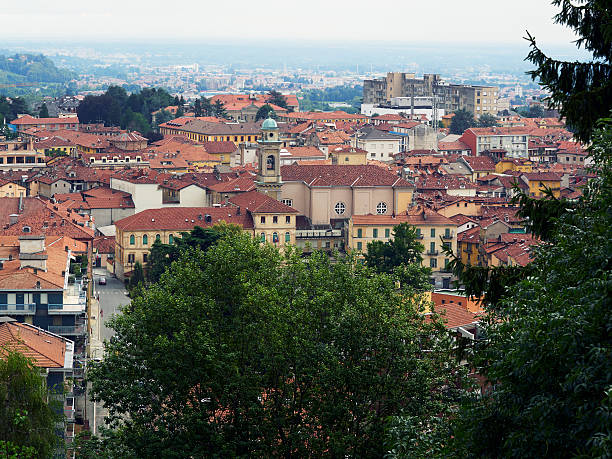
Biella is the engine: generations of mills, disciplined spinning, and finishing that prioritises hand-feel and longevity. Soft Alpine-fed water helps fibers bloom without harsh chemistry; the result is depth of colour and a clean, resilient hand.
Expect knitwear with intent: 12-gauge crewnecks for refinement, 7-gauge cardigans for warmth, hand-linked seams, controlled tension. Umbria is the artisan counterpoint—family workshops running small batches, tuning gauge and wash on a per-style basis. This is where yarn quality and finishing meet, and why Italian cashmere—done right—feels alive rather than fluffed up.
Japan — Niigata & Aomori
Small studios, exacting control. Think short runs, careful patterning, and quiet, subtle dyeing that wears in rather than out. Washing and blocking are obsessively dialled, so lighter-gauge pieces hold shape better than you’d expect. Output is limited, prices are high, and the focus is coherence over churn.

Scotland — Hawick & Ayr
The Scottish tradition leans denser and tougher. Expect workhorse sweaters and exceptional scarves/throws with a little more backbone than their Italian counterparts. Yarns (often from Todd & Duncan) are spun for resilience; the best makers keep finishing restrained so the knit lasts. If you want heirloom scarves and properly built chunky knits, Scotland remains a smart bet—just stick to the top houses and avoid cut-rate “cashmere” that trades weight for cost.

The Best Mills (Where the Real Stuff Comes From)
Mills aren’t just factories processing fibre—they forge cashmere’s identity. These are the world’s best, blending tradition, precision, and a touch of madness to turn goat fluff into gold. We’ve dug into their histories, processes, and output to lay it bare.
Loro Piana (Piedmont, Italy - Establish 1924)
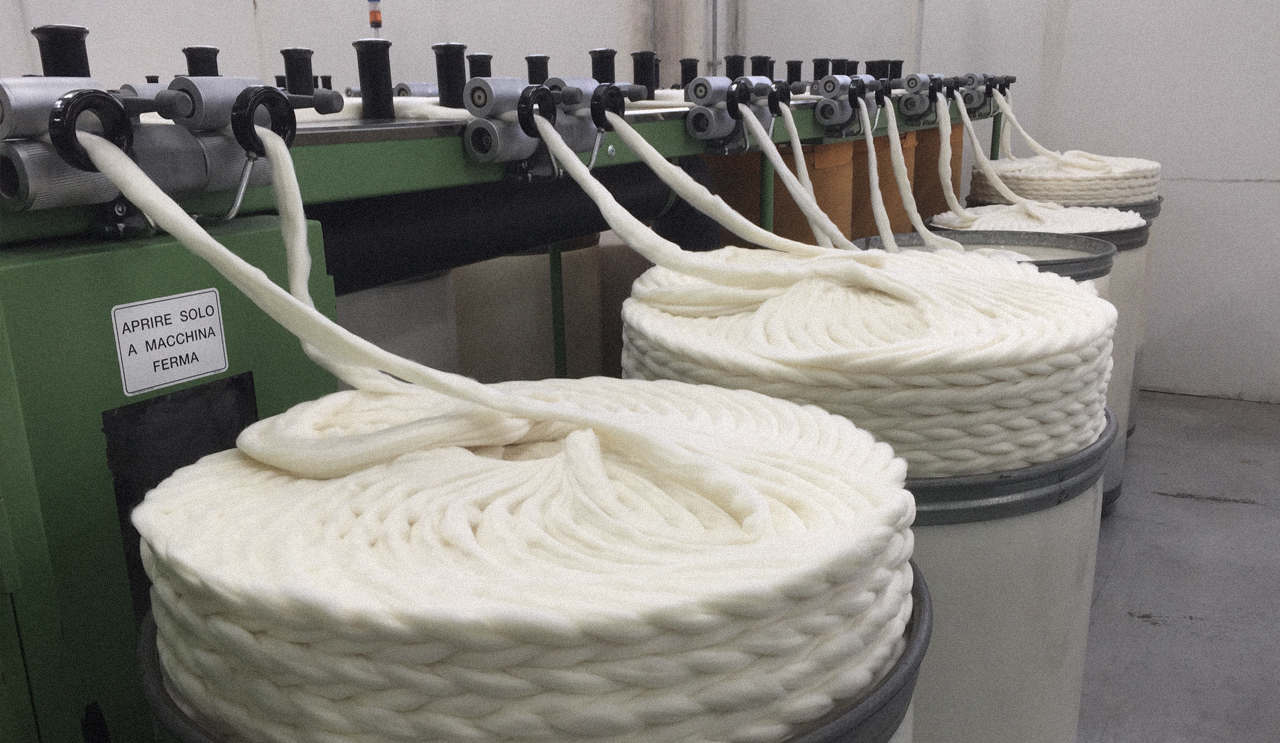
They partner closely with Alashan herders, spinning 14-micron, 40 mm fibers into buttery, tough yarn. A subtle “ripple” finish—micro-twists—adds sheen; Styleforum calls it “cashmere you see before you feel.” Their Baby Cashmere (~13–13.5 µm), combed from kids’ undercoats in their first spring, is among the rarest fibers in the world—volumes remain tiny, and availability is tightly controlled. Loro Piana maintains deep integration across sourcing, spinning, weaving, and garment-making, which is why many view them as untouchable. Recently, the company faced scandal over alleged sourcing and pricing practices, raising questions about transparency. But it’s important to note: the product itself remains world-class, unrivalled in consistency, hand-feel, and longevity. In pure textile terms, Loro Piana is still the benchmark others chase. Their yarns and fabrics are used not only in their own collections, but also by houses like Hermès, Chanel, and Kiton.
Dormeuil (France/Italy - Establish 1842)
Dormeuil’s Amadeus line is a legendary pure wool suiting fabric, not a cashmere-silk blend. When it comes to cashmere, Dormeuil produces small-batch yarns and fabrics, sometimes blending cashmere with silk for tailored jackets and scarves. Output is boutique-level—around 20 tons annually—feeding bespoke houses and high-end tailors. Their focus is refinement rather than mass scale; think subtle drape, natural pigments, and artisanal finishing rather than flash. Their fabrics remain a fixture for Savile Row tailors such as Huntsman and Henry Poole, and for haute couture ateliers in Paris.
Carnet (Milan, Italy - Establish 1987)
Carnet is a fabric merchant under the Marzotto Group, not a spinner. They curate exclusive collections of fabrics—including wool, silk, and cashmere blends—sourced from Italy’s finest mills. Known as the “secret sauce” for tailors and smaller labels, Carnet offers access to fabrics that might otherwise be available only to large fashion houses. They are less about yarn engineering and more about editorial selection and curation—a library of refined fabrics available in small lengths for bespoke use. Their books circulate widely among independent Italian and French tailors, who often present Carnet fabrics under their own bespoke branding.
Zegna Baruffa (Biella, Italy - Establish 1850)
Best known for their trademark Cashwool® extrafine merino—a benchmark yarn in the suiting and knitwear world—Zegna Baruffa also spins cashmere yarns at scale. Their industrial capacity (≈2,000 tons across merino and cashmere annually) gives them unmatched consistency and color palette breadth. They sit between artisanal spinners and mass producers: not as silky as Cariaggi or Loro Piana, but highly versatile and durable. Baruffa yarns are widely used by Ralph Lauren, Max Mara, Paul Smith, and other premium labels seeking dependable knitwear staples.
Todd & Duncan (Kinross, Scotland - Establish 1867)
Todd & Duncan spin denser, more rugged yarns (≈16 micron, 36 mm) than their Italian counterparts, making them a staple for hardwearing Scottish knitwear. Their cashmere has a “workhorse” quality—slightly less silky but with superb resilience. Producing around 500 tons annually, they supply fashion houses worldwide and remain one of the last large-scale Scottish spinners with in-house dyeing on the banks of Loch Leven, whose soft water is said to enhance yarn hand-feel. If Cariaggi is vibrance and finesse, Todd & Duncan is grit and endurance—knitwear built to last decades. Their yarns have historically gone into Burberry, Pringle of Scotland, and William Lockie pieces.
Corgi (Ammanford, Wales - Establish 1892)
Known for their wool knits, Corgi’s cashmere line uses Cariaggi yarn (15.5 microns, 40 mm, 2-ply 10-gauge) as its foundation. What sets them apart is not scale but care: they are a boutique operation that puts time and effort into bringing each piece to life, ensuring warmth and softness without itch. Reddit’s r/femalefashionadvice notes “three years, no pilling” with hand-washing; Styleforum calls them “rugged luxury.” Fits tend toward boxy, ideal for layering—size down for a sharper silhouette. Colors (burgundy, navy) shine; neutrals sell fast.
They hold a Royal Warrant from HM The King, a mark of consistent quality. More importantly for us at Archibald: Corgi actually works with us, and they are wonderful. Their use of Cariaggi yarn, combined with their craftsmanship, convinced us early on that selling stock service from Johnstons wasn’t enough if we wanted to certify Archibald as the best. That realization helped push us toward building our own Umbrian Knits collection.
Johnstons of Elgin (Elgin, Scotland - Establish 1797)
They knit for Chanel, Burberry, Hermès—Styleforum cites their “flawless” couture scarves—showing serious skill. Their stock service, however, is a mixed bag. High-end crewnecks ($400–$600, 15 microns, 2-ply 12-gauge) can rival couture-level quality, while entry-level options ($200–$400, ~17 microns, single-ply) pill quickly and feel insubstantial. Even the stock-service scarves—which also appear in their own branded collection—lack the density and finish of the couture-grade pieces they supply to the grandes maisons. Throws and stoles ($500+) are a safer bet, but sweaters and scarves from stock service often disappoint.
We at Archibald know this firsthand: our first offering years ago was effectively stock service from Johnstons, back when we knew much less. It was a valuable learning experience—good enough to start, but nowhere near the standard we aspired to. This is the real divide: Johnstons-as-mill, a legendary supplier to the world’s finest brands, versus Johnstons stock service, designed to hit volume and price points. For customers, the lesson is clear: a Johnstons couture scarf can be heirloom-grade, but a stock-service scarf is rarely more than mid-tier.
Colombo (Biella, Italy - Establish 1962)
A family mill, three generations deep, Colombo spins 15-micron, 38 mm fibers into yarn that is both soft and steely. Their air-spun techniques add loft—PurseForum calls their sweaters “cloud-like.” They blend cashmere with vicuña or silk for niche brands, and recycle 80% of water in their dye vats—a rarity even among Biella’s elite.
We at Archibald have worked with Colombo on a few occasions, and if you ask us, there is nothing like it. Their yarn doesn’t have the same public notoriety as Loro Piana or Brunello Cucinelli, but in our opinion it outdoes both. Probably the best in the world, in a league of their own. We tried offering some of their supplied items in our “Made for Archibald” collection, but their pricing sits so high that it wasn’t viable for us to provide at scale—and so those pieces never truly caught on. Still, the quality left an impression. We want to try again, or perhaps create our own designs with specialist fibers from Colombo.
Biagioli Modesto (Biella, Italy - Establish 1919)
Scrappy and soulful, Biagioli spins 15.5-micron, 36 mm yarn with a rugged edge—supplying brands like Inis Meáin for knitwear that marries softness with toughness. Their output is modest compared to giants—small enough to keep standards high, with low-impact dyes that cut runoff by 50%.
We admire Biagioli because they represent the other side of luxury: craft with grit. Where Cariaggi is finesse and Loro Piana is polish, Biagioli is about character. Their yarns have texture and resilience, often favored by brands that lean into authenticity over sheen. For Archibald, they’ve been a source of inspiration—proof that perfection in knitwear isn’t only about smoothness, but also about a lived-in durability that feels honest and human.
Cariaggi (Cagli, Italy - Establish 1958)
Founded in 1958 in the small town of Cagli, in Italy’s Marche region, Cariaggi has grown from a regional spinner into one of the world’s most important producers of fine cashmere and luxury yarns. Still family-run, but since 2000 with Brunello Cucinelli as a minority shareholder (roughly 27%), they supply not only Cucinelli’s empire but also many other prestigious houses. This partnership ensured Cucinelli secured a reliable source of world-class yarn while helping Cariaggi cement its place as a powerhouse of Italian knitwear.
Cariaggi’s reputation is built on technical mastery. They pioneered proprietary dyeing methods that lock in rich shades—scarlet, sapphire, deep navy—that resist fading for decades. Their yarns balance strength and lightness, thanks to precision spinning at extremely fine tolerances. Sustainability is part of their ethos: eco-standards reduce water use by 30%, and their dye processes are among the cleanest in Italy.
For us at Archibald, Cariaggi is the backbone of our Umbrian Knits collection. We source everything for that line from them because no other spinner delivers this balance of vibrance, softness, and durability. But yarn alone doesn’t make a garment: the other half is our partnership with a family-owned Umbrian workshop, founded in 1989 by a craftsman apprenticed under his aunt, now run by his children. Together, Cariaggi’s yarn and Umbrian craft create knitwear that we believe can stand beside—and even surpass—the world’s best.
What makes the Umbrian workshop extraordinary is their expertise in finishing, especially washing. In cashmere, washing is where the yarn comes alive. Done poorly, it leaves fibers limp or brittle; done right, it “blooms” the cashmere, softening it while retaining resilience. This workshop has perfected that balance—using carefully calibrated water baths that lift loft without compromising structure.
Every Umbrian Knits piece is the product of this alchemy: Cariaggi’s history and innovation, Cucinelli’s faith in their excellence, and Umbrian artisans’ finishing skill and integrity. It’s why Umbrian Knits doesn’t just feel luxurious out of the box, but retains its hand-feel and integrity after years of wear.
In our eyes, Cariaggi is not just a supplier but a guardian of Italian textile heritage. They may not have the marketing presence of Loro Piana, but for those who know, they are the quiet powerhouse of Italian knitwear—and the reason Archibald can promise heirloom-grade cashmere without compromise.
Piacenza (Biella, Italy - Establish 1733)
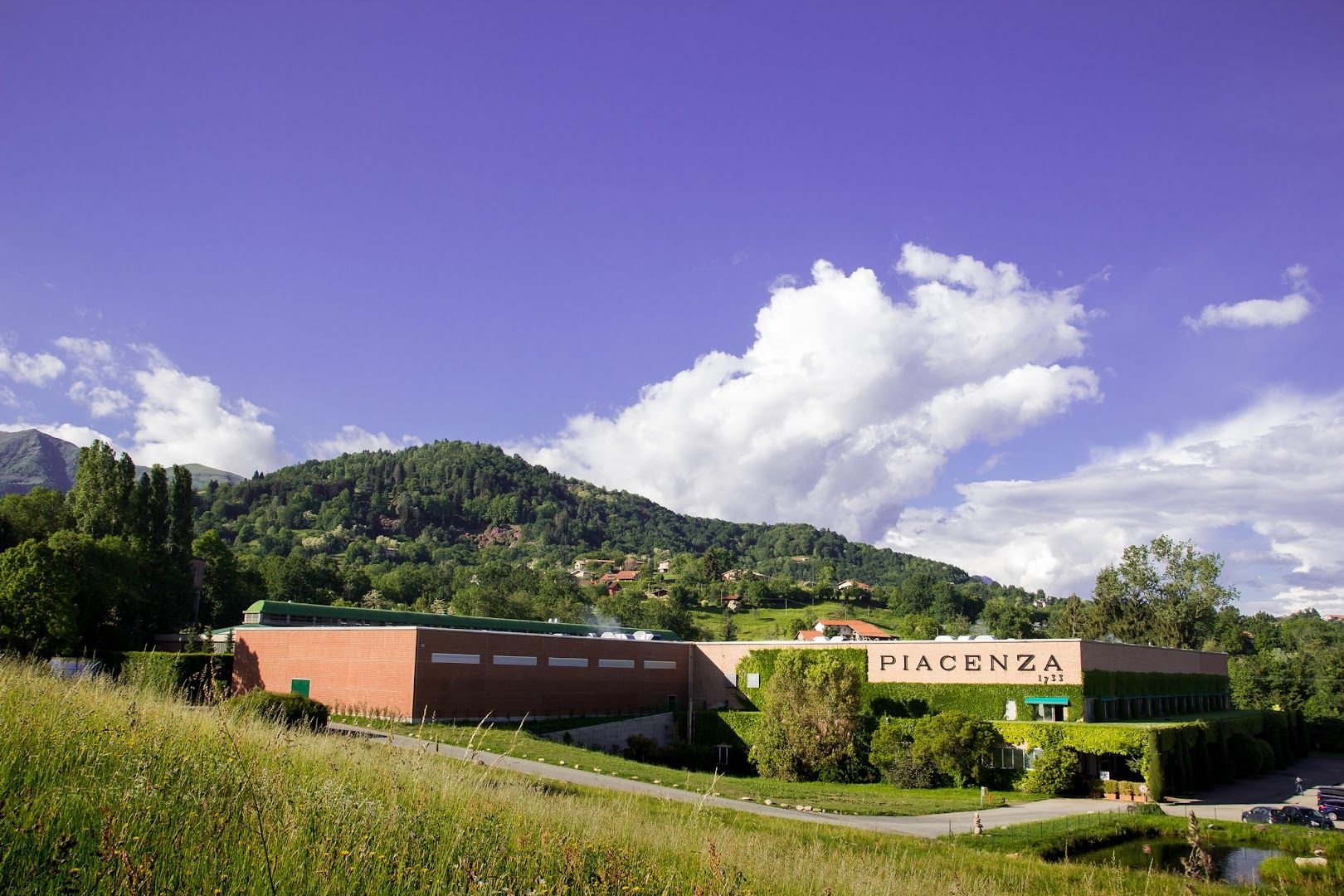
One of the oldest mills on earth, Piacenza has worked fine fibers since 1733. Less flashy than Loro Piana or Colombo, they’re revered inside the industry for consistency, elegance, and their ability to blend cashmere, vicuña, alpaca, and silk into fabrics of rare refinement. Piacenza operates on a scale that still feels human—quiet mastery passed down for centuries. We at Archibald continue to collaborate with them on select pieces; their yarns carry a subtlety and longevity that reward touch over logos.
Who Does It Right? (Best Cashmere Brands Ranked—No Fluff)
Our scores come from Archibald’s own sourcing, making, wearing—and occasionally failing—plus the wisdom (and noise) of forums. Forums are invaluable because consumers there often know what they’re talking about. But they can also become echo chambers, full of people repeating half-truths or flexing expertise they don’t actually have. That’s why we lead with our own primary opinions, forged from firsthand work with mills and makers. Disagree with us? Write in—we welcome it. But at least you’ll know where we stand, without the fluff.
The Exceptional
ZEGNA (Trivero, Italy - Establish 1910)
Oasi Cashmere — They deserve real applause. Zegna has gone beyond lip service: Oasi Cashmere is not just a label, it’s a program of traceability—with 100% certified fibres promised by 2024. They source raw cashmere from remote Mongolian farms, bring it through Italian mills, and tie it with their Oasi Zegna narrative—trees, reforestation, ecological stewardship. Product feels consistent: finishing that shows control, fabrics that hold up well under use. If you’re investing, Zegna gives clarity and muscle. At Archibald, we openly look up to Zegna—they prove you can scale responsibly without watering down quality.
Score: 9.3/10
Loro Piana (Piedmont, Italy - Establish 1924)
Baby Cashmere, myths, and mastery — When the product hits, it’s as good as knitwear gets: silk-smooth, warm without weight, and absurdly long-lived. Their vertical control and Baby Cashmere lore still matter. Yes, there’s been a worker-rights scandal in Italy tied to subcontractors. That’s supply-chain rot—not the fault of the immigrant artisans who make their coats with real talent. We’re here to talk product: still world-class. Some whisper about lighter fabrics and slipping standards, but we’ve still handled pieces that feel untouchable. Choose carefully. In pure textile terms, Loro Piana remains the benchmark others chase.
Score: 9.6/10
Brunello Cucinelli (Solomeo, Italy - Establish 1978)
The Umbrian ideal — Marketing king of “humanistic capitalism,” but the clothes back it up. Relaxed silhouettes, immaculate finishing, wardrobes that breathe Umbria. Crucially, Cucinelli owns a minority stake in Cariaggi, one of the world’s best spinners, ensuring consistency at the yarn level. That’s why so much of his knitwear feels composed, not just soft.
Score: 9.3/10
Kiton (Naples, Italy - Establish 1968)
Artisan luxury in knitwear — Kiton is what happens when tailoring DNA meets knitwear obsession. Their Fidenza knit operations and hand-heavy processes (22 steps, 11 by hand for some pieces) are not just for show. Their cashmere-silk blends or pure cashmere cable knits show weight, detail, and structure that many brands chasing “luxury aesthetic” simply can’t match. Costume-wise, yes: they’re heavy, expensive, and in some lines, over-styled. But craftsmanship? Top shelf. Kiton belongs shoulder to shoulder with Loro Piana and Zegna at the very peak. If you want something that whispers prestige every time you touch it, this delivers.
Score: 9.6/10
Colombo (Biella, Italy - Establish 1962)
Best-kept secret — A family mill, three generations deep. Colombo spins 15-micron, 38 mm fibers into yarn that is both soft and steely. Their air-spun techniques add loft; they blend cashmere with vicuña or silk; and they recycle most of the water in their dye vats—rare even in Biella. We at Archibald have worked with Colombo on a few occasions, and if you ask us, there is nothing like it. Their yarn doesn’t have the same public notoriety as Loro Piana or Brunello Cucinelli, but in our opinion it outdoes both. Probably the best in the world, in a league of their own. We tried offering Colombo pieces through Archibald’s “Made for Archibald” line, but it wasn’t viable for scale. One day, we’ll return.
Score: 9.4/10
Piacenza (Biella, Italy - Establish 1733)
Biella heritage — One of the oldest mills in the world. Piacenza has been refining fine fibers since 1733—cashmere, vicuña, silk, alpaca—always with quiet mastery. Within the industry, they’re revered for elegance and subtlety rather than flash.
We at Archibald moved from Johnstons stock service into collaboration with Piacenza, who kindly worked with us on items for the “Made for Archibald” collection. They were superb: collaborative, consistent, and their yarns carried an elegance we hadn’t seen elsewhere. For a time, we thought about staying with them indefinitely.
But we also wanted more control—over gauge, finishing, and most of all, over the blocks. Piacenza is known for a sharp slim block that fits beautifully in Italy and much of Europe. The British, by contrast, tend toward a looser “classic” block—the kind that makes you look like a haggard English teacher at Eton or a prep-school stand-in from Dead Poets Society. Neither felt right for us. We wanted the Goldilocks solution—not nut-hugging tight, not prep-school saggy. That’s why we built Umbrian Knits.
We still work with Piacenza on select pieces today, and we respect them enormously. Their baseline is excellent—worthy of a 9.2. And when they want to, they can produce at a 9.6 level with ease, rivaling the very best in the world.
Score: 9.2/10 (with potential up to 9.6)
Corgi (Ammanford, Wales - Establish 1892)
Boutique soul, serious yarn — Known for their wool knits, Corgi’s cashmere line uses Cariaggi yarn as its foundation. They are a boutique operation that puts time and effort into every piece—colors sing, neutrals sell fast, fits lean boxy but can be sized down for sharpness. They hold a Royal Warrant from HM The King, a mark of consistent quality.
And more importantly for us: Corgi works with Archibald. Their yarn comes from suppliers such as Cariaggi, Todd & Duncan, and then they bring it to life with boutique-scale care. Corgi's offering made it clear to us that selling stock service from Johnstons wasn’t going to cut it if we wanted to certify Archibald as the best. That realization helped push us toward Umbrian Knits. Corgi is wonderful, and they proved boutique beats bulk. Every time.
Score: 9.0/10
The Heritage Houses
William Lockie (Hawick, Scotland - Establish 1874)
Rugged heritage, no shortcuts — One of the oldest knitwear makers in the world. Their sweaters are dense, rugged, a little itchy out of the box. That’s not a flaw—it’s deliberate. Less washing means the cashmere stays stronger. It might feel tougher at first, but it also means it lasts decades. We at Archibald have experience here: they refused to sell to us directly once they saw our pricing approach, so we bought through a stylist showroom instead. The product was excellent—miles better than Johnstons stock service. The hand isn’t silky, but the endurance is unmatched.
Score: 8.8/10
Begg & Co (Ayr, Scotland - Establish 1866)
Scarves and style — Based in Ayr, Scotland, Begg & Co. excel at scarves, stoles, and lighter knits. Their “Paisley” cashmere scarf is a cult classic: featherlight but resilient. More stylish than Lockie, less rugged, still heritage.
Score: 8.3/10
Johnstons of Elgin (Elgin, Scotland - Establish 1797)
Stock Service — They knit for Chanel and Hermès at couture levels—but the stock-service sweaters and scarves (including their own branded collection) don’t compare. We know: our first cashmere offering was Johnstons stock service back when we knew less. It was a start, but not enough. Stock-service scarves just aren’t great: they look the part, but they lack density and bloom. That’s why we moved on.
Score: 7.5/10
Competent DTC
Luca Faloni (Italy - Establish 2014)
Good yarn, weaker execution — Luca Faloni built their name on “Made in Italy” and they do use Cariaggi cashmere—the same spinner we use for our Umbrian Knits. That puts them instantly above generic DTC and most high-street brands and in the realm of a Brunello Cucinelli (but wait there is more). In fact, on paper, the ingredients are excellent: yarn from Cariaggi, reputable workshops, clean branding. The problem isn’t the inputs—it’s the execution. Something in the finishing, the wash, the way the garments are brought to life lets the product down.
They’re certainly better than Johnstons’ stock service and N.Peal at their better moments. But they’re not in the same league as the apex houses. That last 10%—the obsessive control, the refusal to compromise, the heirloom ambition—is missing. We know all too well the implications of playing with a lower wiggle room for margin but the truth is Luca Faloni prices has ample room for margin so that can’t be it.
Score: 8.2/10
N.Peal (London, England - Establish 1936)
Heritage name, mixed delivery — N.Peal has been around since 1936 and had a resurgence with paid sponsorships in the latest James Bond films. Like Luca Faloni, they often work with top-tier yarns—sometimes other reputable mills. The raw material can be very good. And their better pieces stand above most DTC knitwear. But again, the execution doesn’t always match the inputs. Fits can be inconsistent, finishing sometimes feels rushed, and the result is solid cashmere that doesn’t quite reach heirloom quality.
Compared to Johnstons stock service, N.Peal is a step up. Compared to Loro Piana or Colombo, it falls very, very short. The gap isn’t about yarn—it’s about the approach and the philosophy the brand takes towards the product.
Score: 7.9/10
The “Democratizers” (and why we pass)
Everlane (San Francisco, USA - Establish 2010)
Radical transparency, wasted potential — Everlane has always been a contradiction. They marketed “radical transparency,” but when you strip the marketing away, the sweaters don’t hold up. Single-ply, loosely spun yarns make them featherlight but fragile. The softness you feel on day one comes from aggressive washing and finishing tricks, not from yarn quality. That bloom collapses fast.
And here’s the real frustration: they could have been great. Made in China is no longer a justification for poor quality—some of the world’s best cashmere comes from Chinese factories when brands pay for it. Everlane had the story, the customer base, and the chance to build an amazing ethical business. Instead, they got rolled up in the venture capital hype, chasing scale over substance. The result is sweaters that feel disposable. A wasted opportunity.
Score: 5.0/10
Naadam (New York, USA - Establish 2013)
One step above trash — Naadam sells a powerful story: Mongolian herders, fair trade, sustainability. And to their credit, they’ve brought attention to sourcing issues that deserve it. But the sweaters don’t live up to the marketing. They’re light, loosely knit, and lack backbone. They fuzz and pill fast. Put bluntly: one step above trash. Warm and ethical on paper, but not heirloom, not even close.
Score: 5.5/10
Quince (San Francisco, USA - Establish 2018)
Absolute trash — Quince cracked the Instagram code: “Grade A Mongolian cashmere” for under $100. The hook is irresistible. The product is a disaster. Sweaters are wafer-thin, chemically fluffed to feel soft out of the box, and fall apart almost instantly—holes, sagging, pilling. This isn’t just cheap cashmere; it’s fast fashion in disguise.
And worse, it’s actively harmful. Bargain-basement demand fuels overgrazing in Mongolia, degrading the fragile ecosystems that produce real cashmere. So not only do you get a disposable sweater, you help undermine the future of the fiber itself. Absolute trash in heirloom terms.
Score: 3.5/10
Uniqlo (Tokyo, Japan - Establish 1949)
Good for the price, not legacy — Uniqlo put cashmere on the high street, and for that, they deserve some credit. Their sweaters are cheap, accessible, and often feel soft in-store. But that softness is engineered through aggressive washing, not built into the yarn. Fibers are short, knits are loose, and pilling comes quick. Good value for an entry-level piece, fine for casual wear. But don’t confuse it with luxury. It isn’t built to last, and it certainly isn’t heirloom.
Score: 4.5/10
Massimo Dutti (Barcelona, Spain - Establish 1985)
Zara’s upscale play — Massimo Dutti sits inside the Inditex empire as Zara’s premium sibling. On the surface, their cashmere pieces look sharp: slimmer cuts, elegant palettes, fashion-forward styling. They’re marketed as “accessible luxury,” and compared to Zara, they are. But when you handle the product, the truth comes out. The yarn is thin, the finishing light, and the durability poor.
They’re built for office wear and seasonal looks, not for legacy. You buy Massimo Dutti cashmere to look put-together this winter, not to pass it down. As with much of Inditex, the strategy is design turnover, not heirloom building. It’s fast fashion in a tailored jacket.
Score: 4.0/10
Zara (Arteixo, Spain - Establish 1974)
Cashmere in name only — Zara will happily sell you sweaters labeled “cashmere,” often at prices that make no sense. The catch? They’re usually blends, sometimes 100%, but always engineered for turnover, not longevity. Fibers are short, knits are loose, and finishing is rushed. The result might feel soft on day one, but it collapses after a few wears—holes, sagging, pilling.
This isn’t luxury, and it isn’t even entry-level value. It’s cashmere stripped of everything that makes the fiber special—heritage, integrity, durability—so it can be moved quickly in volume. If you buy here, you’re not buying knitwear. You’re buying landfill.
Score: 2.5/10
The Final Word
Cashmere isn't something you should buy because an ad said “luxury.” It’s the product of goats bred in brutal climates, artisans who refuse shortcuts, and mills that still care about heritage over hype. Get it wrong, and you’re left with lint. Get it right, and you’re buying into a legacy.
Here’s how not to screw it up:
- Don’t buy tags, buy touch. If a salesperson can’t tell you the origin, walk away.
- Don’t confuse softness on day one with quality. Engineered softness dies fast; true bloom takes time.
- Don’t chase “Grade A” labels without micron counts, yarn detail, and provenance. It means nothing without proof.
- Don’t think price equals quality. A perfectly finished 16 µm knit will outlast a badly spun 14 µm every time.
Why do we hammer this so hard? We learned that firsthand. We started with Johnstons stock service because it was accessible, but we quickly saw its limits. Then we worked with Piacenza, who gave us a glimpse of Biella’s centuries-old mastery. Colombo showed us what the absolute peak of Italian spinning and finishing could look like, and Corgi proved that boutique scale and care can deliver something truly special. Each step taught us more about what was possible—and what wasn’t—until we finally built Umbrian Knits with our partners in Umbria, giving us the control to make cashmere the way we believe it should be made.
At the end of the day, cashmere done right can become your cold-weather armor. It’s heritage. It’s proof that you give a damn about what you put on your back. Buy carefully, wear hard, pass it down. And yes—thank the goats.
