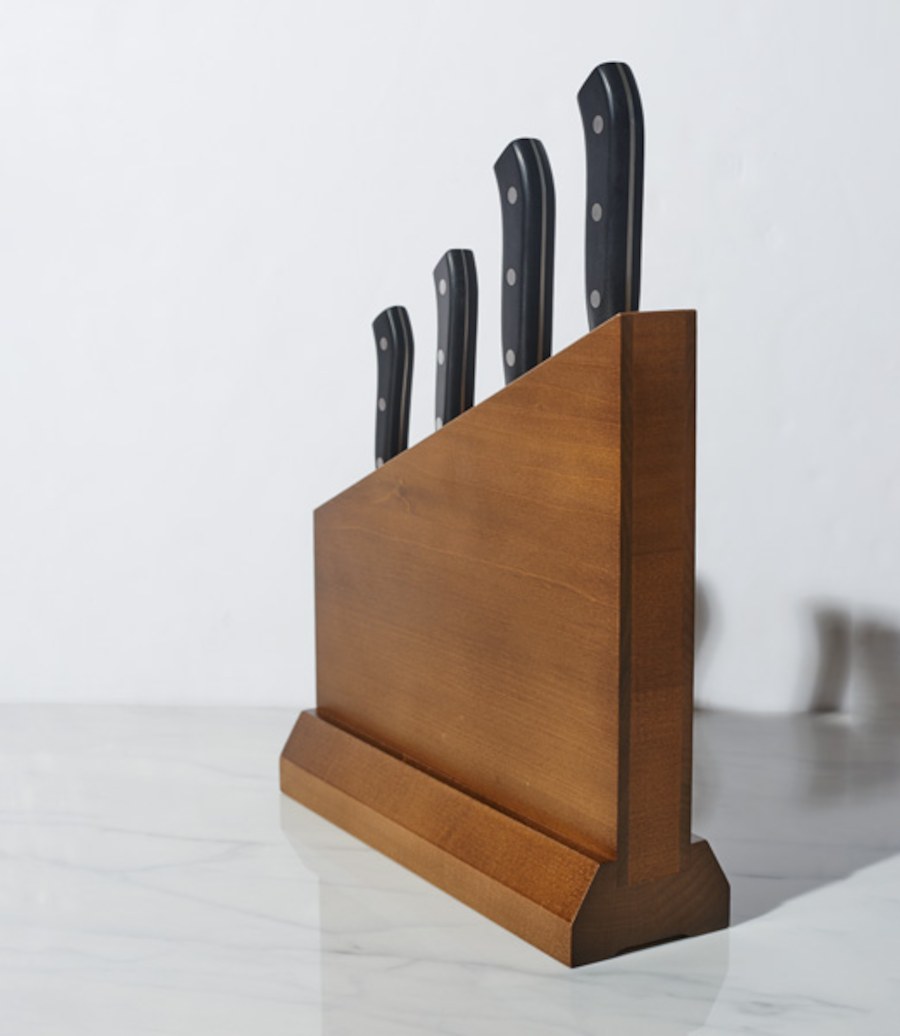

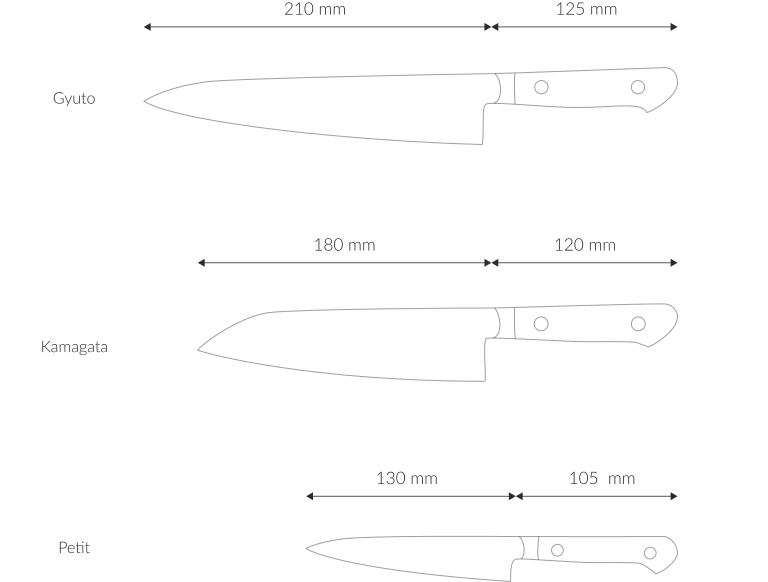
The Classic single layered steel knife is the everyday piece for true enthusiasts. Crafted by masters in Japan's city of blades (Seki-city), these knives will reveal a previously dormant joy experienced during cutting. Supremely sharp, these 2-sided knives are ideal for both European and Asian cooking and empower chefs of every skill level. Whilst pure steel knives are slightly more susceptible to corrosion, quite a bit of care on a regular basis is needed, especially at the beginning. Once the blade surface settles, care and sharpening from time to time is all that is needed for them to last a lifetime.
Handcrafted in Japan
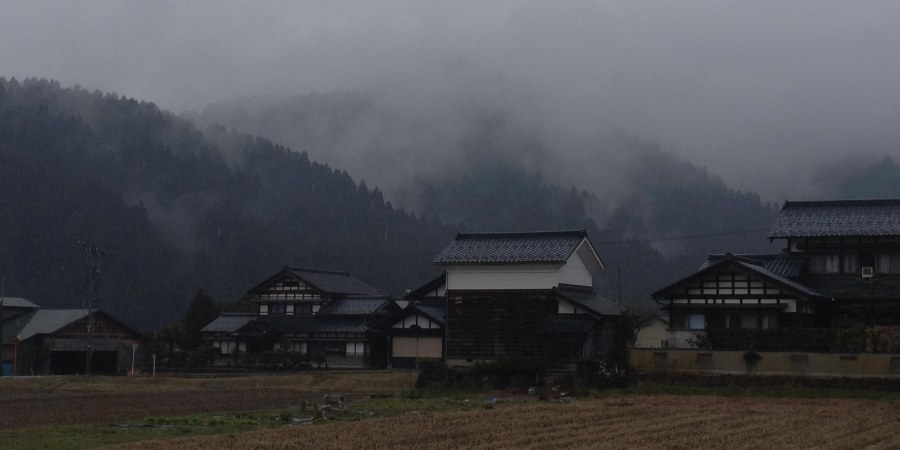
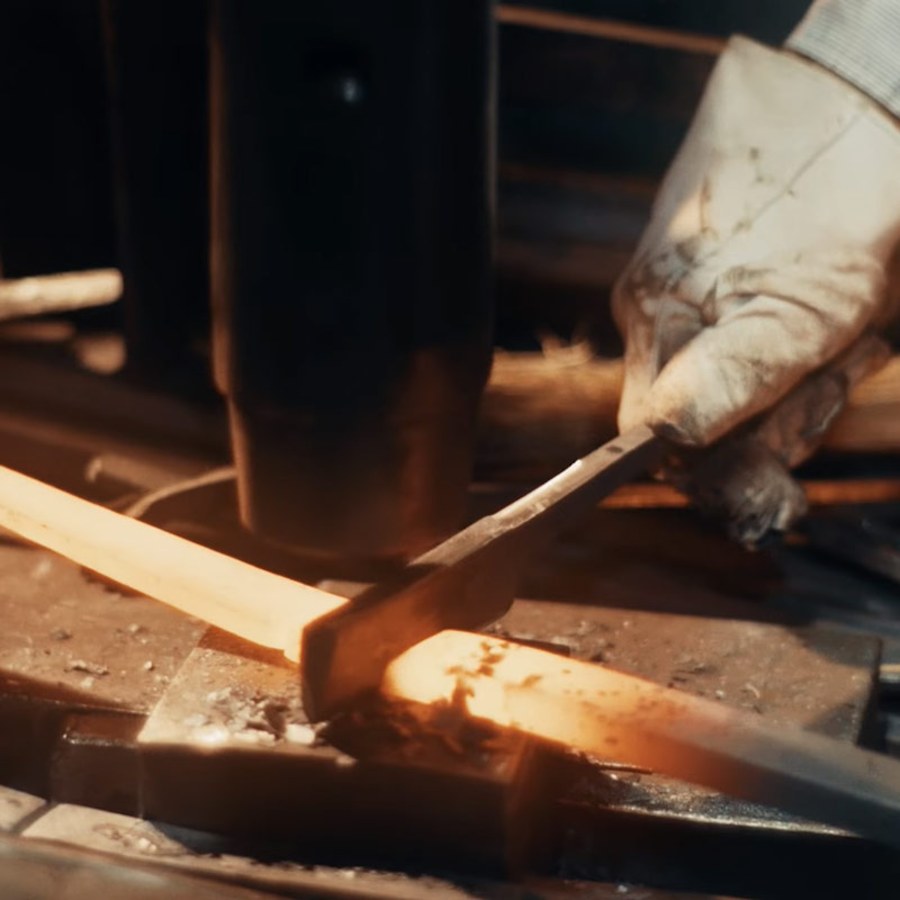
Made by Japanese Shokunin working in a family run factory located in Seki-city in the Gifu prefecture of Japan, each blade is meticulously made according to traditional Japanese knife making techniques. Seki-city is known in Japan as "the city of blades" and our partners have been operating in this space for over 60 years - combining traditional techniques with modern advancements to create some of the finest knives in the world.
##This single layer knife is made with Swedish Steel which is known to have less impurities than other types of steel.
A pure steel knife is significantly sharper (and easier to sharpen) than a stainless steel knife, however is more susceptible to rusting. Given the quality of steel being used in it's manufacture, it remains the highest grade and purest steel available, yet proper maintenance does require a little care.
Archibald London is the New Age Luxury Brand that Should Be On Everyone’s Radarby B. Oliver (29/02/2018), The Robb Report.
##What makes these so different? Knives are made everywhere in the world, so what makes Japanese knives so special?
It is the truest representation of the Japanese Kodawari philosophy - an uncompromising and relentless devotion to a pursuit, an art, a craft, an activity. Characterised by the sharpness of the blade, the distribution of weight and the sheer strength of the metals that are carefully selected for each type - compromise knows no meaning in the manufacture of each of these Japanese blades.
• As this carbon steel blade has a high amount of carbon and a smaller amount of chromium compared to other types, cutting certain ingredients can change the colour of the blade due to a chemical reaction. If the blade colour darkens with a black gradient, a simple rinse, clean and a bit of sharpening/ polishing from time to time will suffice. However the knife will need immediate care if you spot any red gradient forming as this can damage the blade.
• Cutting different ingredients can affect how much colour changing occurs with time. If you cut a lot of lemons (or any fruits that has high acidity) or onions, you should spend the first few weeks taking extra care of the blade. Cleaning the blade with a damp towel and drying it with another clean towel will help the blade surface 'settle.' After time, the knife should develop a distinct beautiful dull-blue-grey patina which will become a layer to protect the surface. This reaction can also produce a slight smell but this will settle over time.
• In order to keep the blade sharp, make sure to use a wooden cutting board to preserve the sharpness of the blade and use a whetstone to recover the sharpness. Suitable to cut vegetables, meat and bread, and please do avoid cutting bone or frozen food.